Petrol Price in Pakistan Today – Latest Update and What It Means for the Public
Published on Park Blogs | Updated: March 23, 2026
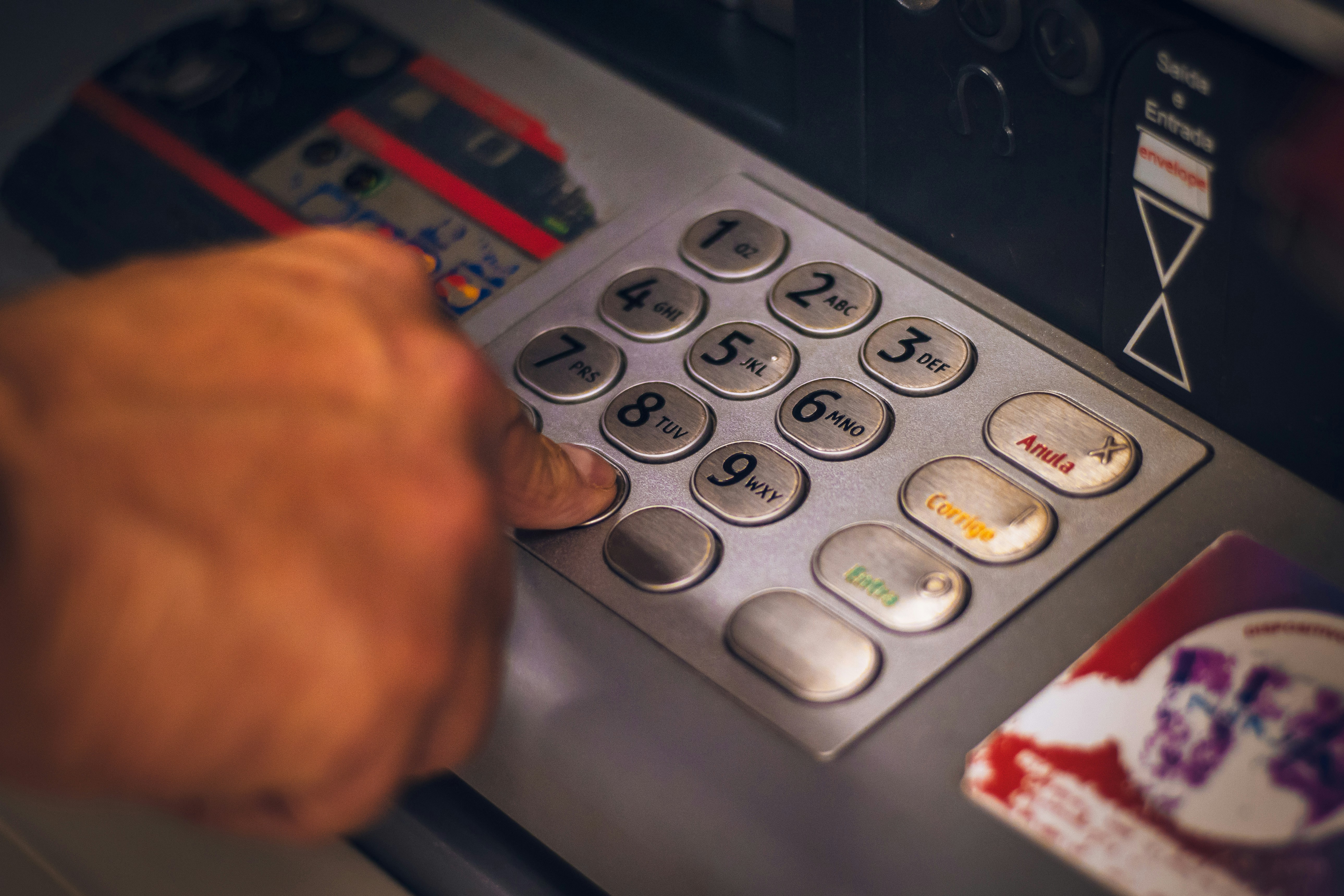
Petrol prices in Pakistan are once again a major topic of discussion across the country. From social media conversations to tea stalls and office break rooms, people are talking about the latest increase and wondering what it means for their daily expenses.
Fuel prices affect almost everything in Pakistan. Transportation costs, food prices, delivery services, and even electricity production can change when petrol prices go up or down. Because of this, even a small change in the price per liter can have a noticeable impact on the everyday life of millions of people.
In this article on Park Blogs, we will break down the latest petrol price update, why fuel prices change in Pakistan, and how these changes may affect the economy and ordinary citizens.
Latest Petrol Price in Pakistan

According to recent reports circulating in the market, petrol prices have seen fluctuations due to multiple economic factors. Government announcements about fuel prices usually come every two weeks, and these updates can either bring relief or create concern for consumers.
The main reason behind these price adjustments is the global oil market. Pakistan imports a large portion of its petroleum products, which means international oil prices play a huge role in determining how much people pay at local fuel stations.
When global crude oil prices rise, Pakistan often has to increase domestic petrol prices to cover import costs. On the other hand, when global oil prices fall, there may be some relief for consumers.
Why Petrol Prices Change Frequently

Many people wonder why petrol prices change so often in Pakistan. The answer lies in a combination of international market conditions, currency exchange rates, and government policies.
One of the biggest factors is the value of the Pakistani Rupee against the US Dollar. Since oil is traded internationally in dollars, a weaker rupee means Pakistan has to spend more money to import the same amount of oil.
Another important factor is government taxes and petroleum levies. These taxes contribute to national revenue, but they also add to the final price consumers pay at the pump.
Transportation and refining costs also play a role. After crude oil is imported, it needs to be refined and transported to fuel stations across the country. Each step adds additional costs.
Impact on Everyday Life
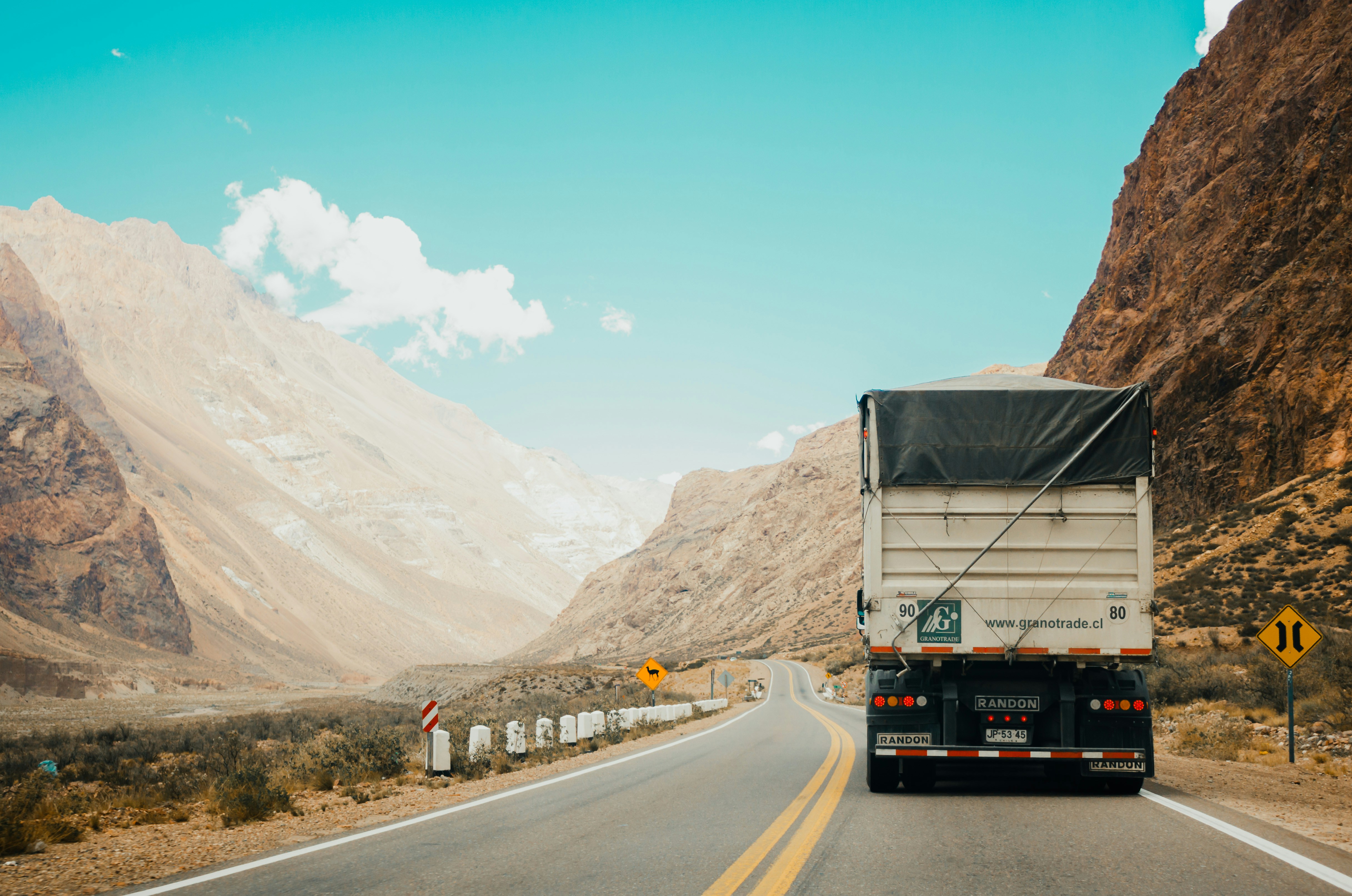
When petrol prices rise, the effects can be felt across many sectors of the economy. Transportation companies may increase fares, delivery services may adjust their pricing, and businesses that rely on logistics may pass on higher costs to customers.
For everyday citizens, this means that not only fuel becomes expensive, but other goods and services can also become more costly. Grocery items, ride-hailing services, and public transportation fares may gradually increase.
Students who commute to universities, office workers traveling daily, and small business owners using motorcycles or delivery vehicles often feel the impact the most.
However, when petrol prices stabilize or decrease, it can provide temporary relief for households already dealing with rising living costs.
How People Are Adapting

Many Pakistanis are adapting to changing fuel prices by finding ways to reduce their fuel consumption. Carpooling has become more common among office workers, while some people prefer motorcycles or public transport instead of using cars daily.
Businesses are also exploring more efficient logistics planning to minimize fuel costs. Delivery companies are optimizing routes and using digital tools to reduce unnecessary travel.
In recent years, there has also been growing interest in hybrid and electric vehicles. While these vehicles are still relatively expensive in Pakistan, they are slowly becoming part of the conversation about the future of transportation.
The Bigger Economic Picture
Fuel prices are closely connected to the overall economic situation of a country. Governments must balance several priorities: maintaining economic stability, generating tax revenue, and protecting consumers from excessive price increases.
In Pakistan, policymakers often face difficult decisions when determining fuel prices. Reducing taxes can provide relief to the public but may reduce government revenue needed for development projects and public services.
Because of this balancing act, petrol price announcements often attract significant public attention and media coverage.
Looking Ahead
Experts believe that petrol prices in Pakistan will continue to fluctuate depending on global oil markets, exchange rates, and government policies. While short-term changes can create uncertainty, long-term solutions may involve improving energy efficiency, investing in renewable energy, and developing alternative transportation systems.
For consumers, staying informed about fuel price updates can help with financial planning and budgeting.
At Park Blogs, we will continue to cover important economic updates and trending topics that affect everyday life in Pakistan. Stay tuned for more informative posts and updates.
Comments
Post a Comment